


By Dr. Tai Hao Xu
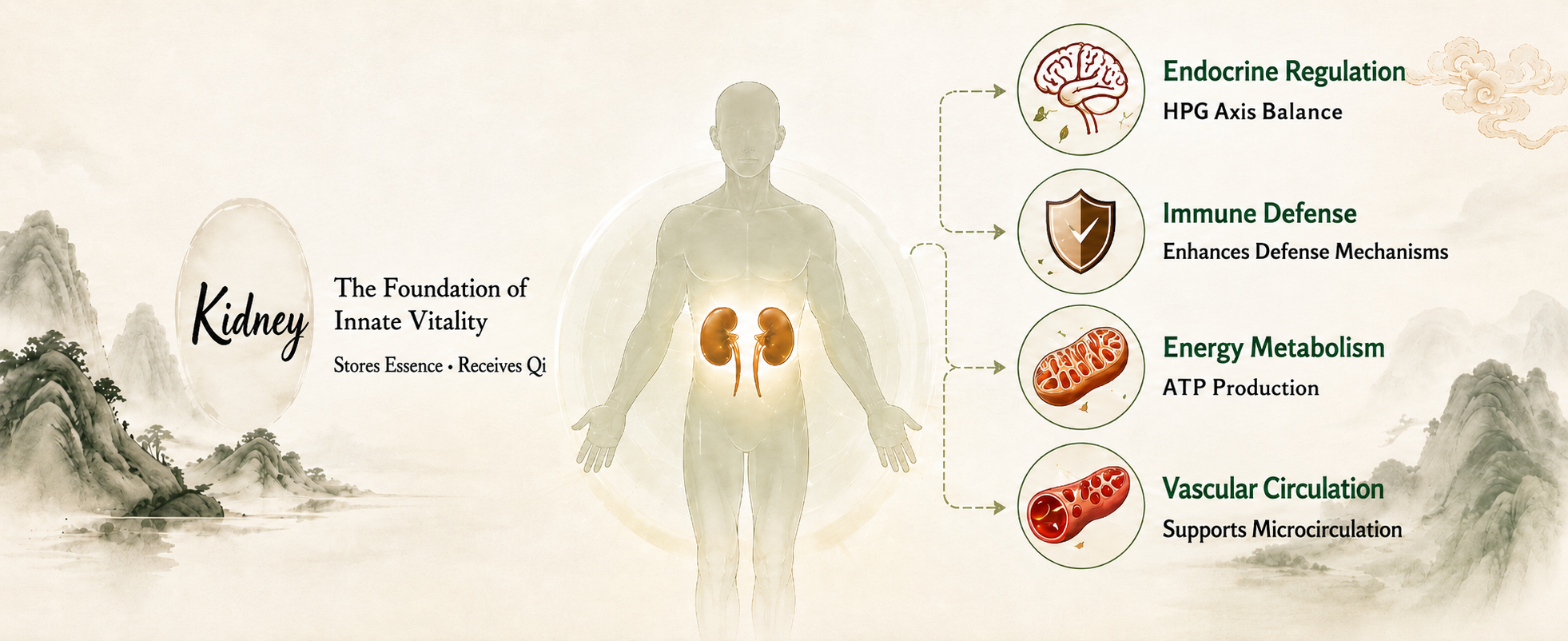
This article invites you on a journey across time. In Traditional Chinese Medicine (TCM), the "Kidney" is regarded as the "root of innate constitution," responsible for storing Essence (精) and governing Qi (氣). Yet in modern anatomy, the kidney appears to be little more than a blood-filtering organ.
So how do the ancient concept of "Kidney Qi" and the modern pursuit of "vitality" intersect under the lens of molecular biology? Using Cordyceps militaris as our key, this article decodes the science behind this ancient kidney-tonifying remedy.
Introduction: When "Kidney Deficiency" Meets "Mitochondria"
Have you ever felt unexplained lower-back soreness, fatigue, or a dip in focus? In TCM diagnosis, this is often classified as "Kidney Qi Deficiency." Modern medicine, by contrast, links these symptoms to Chronic Fatigue Syndrome (CFS), endocrine imbalance, or oxidative stress.
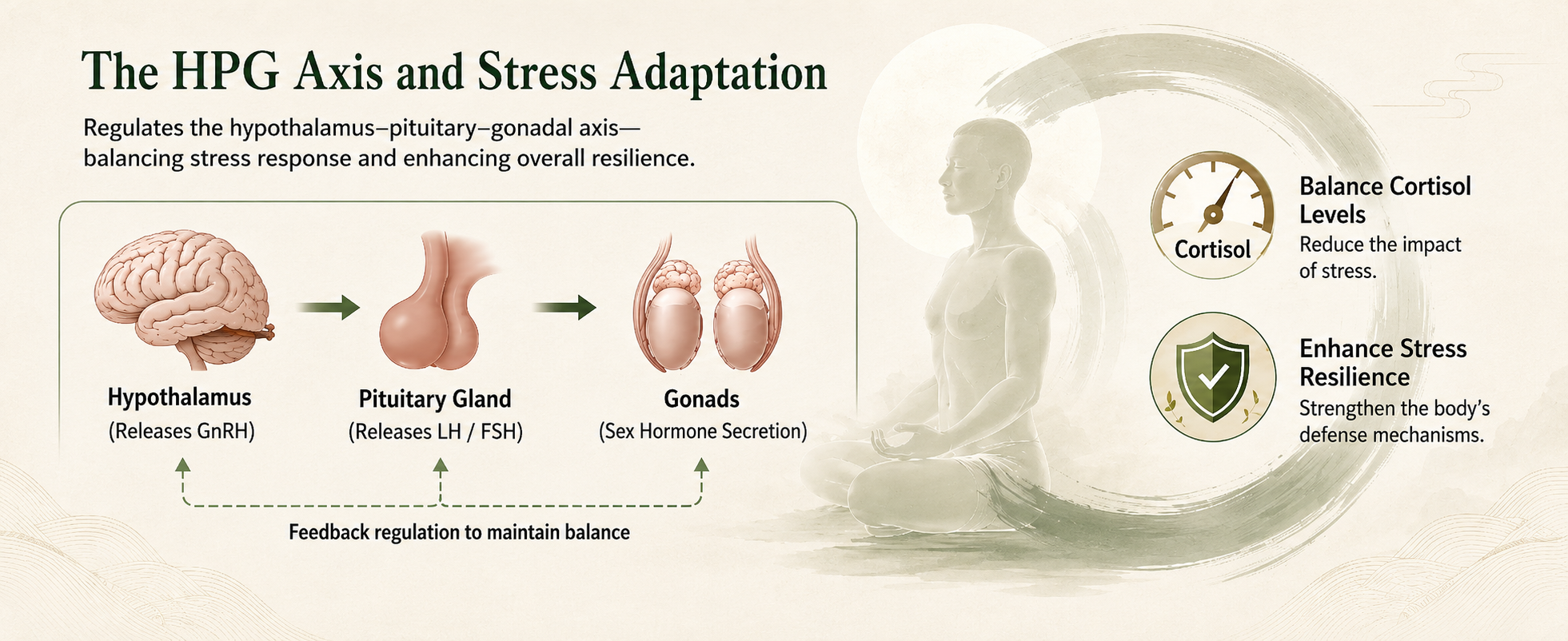
Ancient texts describe Cordyceps militaris as a remedy that "tonifies the kidney and strengthens yang." Interestingly, contemporary research shows that this fungus's active compounds act precisely on the Hypothalamic-Pituitary-Gonadal (HPG) Axis¹ and on mitochondrial² energy metabolism. This article re-examines "kidney tonification" from a biochemical perspective.
1 The Hypothalamic-Pituitary-Gonadal (HPG) Axis is a key neuroendocrine pathway in the human endocrine system responsible for regulating reproductive function, development, and sexual characteristics. It comprises three main nodes — the hypothalamus, the anterior pituitary gland, and the gonads (testes or ovaries) — maintained in balance through a precise feedback mechanism.
2 Mitochondria are double-membrane-bound organelles found in eukaryotic cells, often called the "powerhouse of the cell." Their primary role is converting organic compounds into adenosine triphosphate (ATP) through oxidative phosphorylation, supplying over 90% of cellular energy. Beyond energy production, mitochondria also participate in apoptosis, calcium regulation, cell signaling, and metabolism.
Redefining the "Kidney": Viewing "Kidney Qi" as Defense Through the HPG Axis
In TCM, the "Kidney" is a functional system that also encompasses what modern medicine recognizes as the adrenal glands. When someone is described as having "severely depleted Kidney Qi," this often corresponds physiologically to Adrenal Insufficiency³.
- Stress Regulation and Adaptogenic Effects
Cordyceps militaris has been shown to be a potent adaptogen⁴. Research indicates that cordycepin — one of its key active compounds — can modulate activity of the HPG Axis and help balance cortisol⁵ secretion (Ashraf et al., 2020).
4 An adaptogen is a class of active compounds derived from natural herbs, fungi, or plants that help the body resist physical, psychological, and environmental stress while maintaining homeostasis. Core characteristics include non-toxicity, non-specific action (broadly enhancing stress resistance), and a normalizing or regulatory effect on physiological function.
- Anti-Inflammatory Effects and Immune Defense
"Kidney Qi Deficiency"⁶ is often accompanied by reduced immune function. Cordyceps militaris polysaccharides (CMP) can activate TLR4 receptors⁷, enhancing the phagocytic capacity of macrophages — providing a scientific explanation for how "kidney tonification" translates into the body's "defensive field" (Sun et al., 2023).
6 "Kidney Qi Deficiency" is a common TCM constitutional pattern, typically presenting as soreness in the lower back and knees, fatigue, increased nighttime urination, frequent or incomplete urination, shortness of breath, and reduced sexual function (such as premature ejaculation). It is often caused by aging, chronic illness, or overexertion.
7 TLR4 (Toll-like receptor 4) is a key transmembrane receptor protein whose main function is to recognize foreign pathogens and trigger innate immune responses. TLR4 acts like the immune system's "outer sentry" — stationed on the cell surface, it specifically watches for LPS (a bacterial marker). On detecting an invader, it immediately signals the immune system to mount a defense.
The Cellular Power Plant: ATP Production and the Molecular Origins of Vitality
If vitality is the battery level on your phone, mitochondria are the battery itself.
- Boosting ATP Synthesis
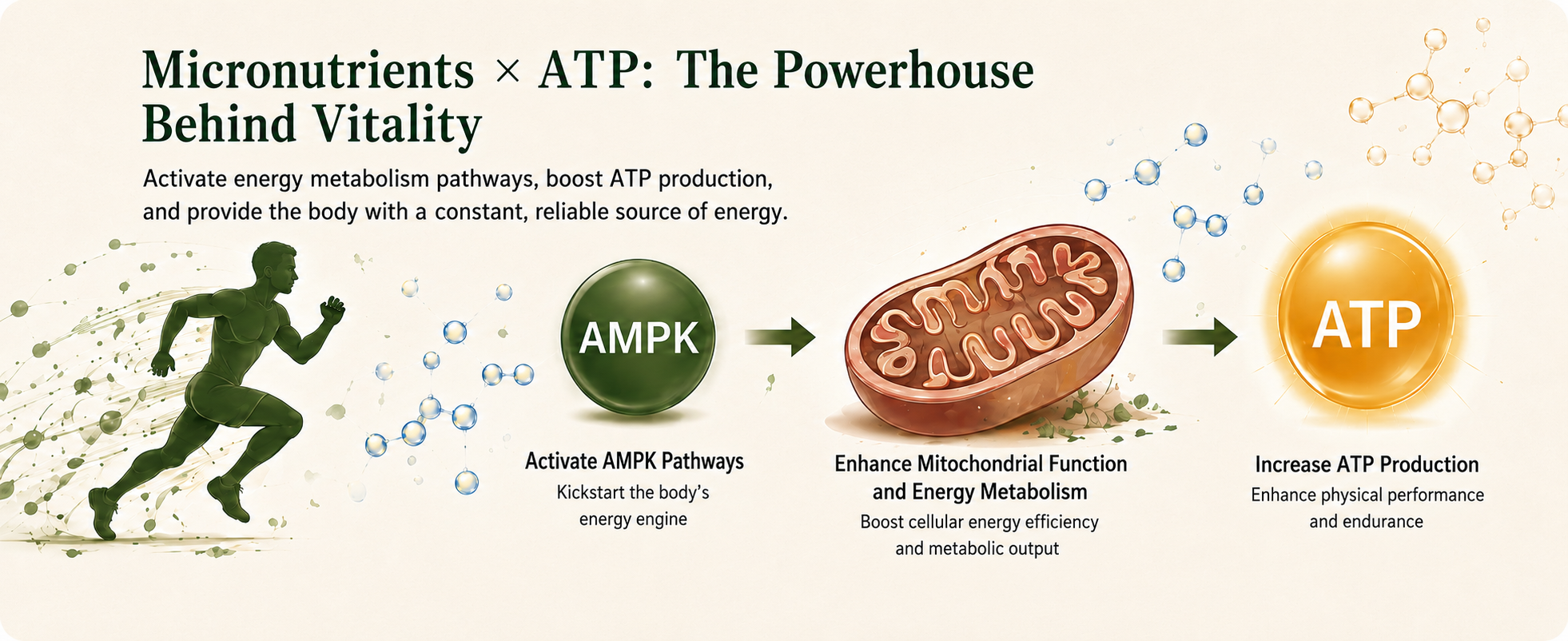
A core cause of low energy is a shortage of ATP (adenosine triphosphate), the cell's energy currency. Recent studies have found that Cordyceps militaris extract can activate the AMPK pathway⁸, increasing intracellular ATP levels and significantly improving physical endurance (Zhao et al., 2021) — directly supporting the material basis of the traditional concept of "tonifying Qi."
8 AMPK (Adenosine Monophosphate-activated Protein Kinase) is the most important cellular energy-sensing pathway, regulating metabolic balance when energy is low. When intracellular ATP levels drop — during exercise or fasting, for example — AMPK is activated, switching on energy-producing pathways and switching off energy-consuming ones. Think of AMPK as the cell's "power-saving mode" master switch: when energy runs low, it quickly turns on fat burning and glucose uptake while pausing non-essential processes such as fat synthesis. This not only helps metabolize excess calories but also clears cellular waste, making it a key mechanism in anti-aging and weight management.
- Clearing "Oxidative Waste"
Energy production in mitochondria generates free radicals⁹. Cordyceps militaris contains high concentrations of polyphenols and superoxide dismutase (SOD)¹⁰, which effectively neutralize reactive oxygen species (ROS)¹¹, preventing cells from "overheating" and declining in function (He et al., 2022). If ROS is the "biochemical rust" behind aging, Cordyceps militaris acts as the cell's own premium anti-rust coating. Its SOD content precisely neutralizes superoxide anions¹², while its high polyphenol content forms a protective chemical barrier around cell membranes, shielding DNA from relentless free-radical attack.
9 Free radicals are atoms, molecules, or ions with unpaired electrons. Because electrons favor pairing, free radicals are highly unstable and reactive — much like molecular hijackers that seize electrons from healthy cells to stabilize themselves.
10 Superoxide dismutase (SOD) is a key endogenous metalloenzyme found across living organisms, often called the "mother of antioxidant enzymes." It efficiently catalyzes the conversion of harmful superoxide anion radicals into oxygen and hydrogen peroxide, helping clear free radicals, slow aging, reduce inflammation, and protect cells.
11 Reactive oxygen species (ROS) are highly reactive, oxygen-containing byproducts of aerobic metabolism (such as superoxide ions, hydrogen peroxide, and hydroxyl radicals). Moderate ROS levels participate in cell signaling and homeostasis, but excess ROS causes oxidative stress, damaging DNA, proteins, and cell-membrane lipids — closely linked to aging, cancer, and chronic diseases such as atherosclerosis and diabetes.

Cordycepin and Testosterone: A Biochemical Accelerator for Vitality
When it comes to "kidney tonification and yang strengthening," modern pharmacology has found direct evidence within gonadal function.
- Stimulating Leydig Cells¹³
Studies confirm that cordycepin can mimic the signaling of Luteinizing Hormone (LH), directly stimulating Leydig cells to secrete testosterone (Jingsong et al., 2022). Testosterone is not only linked to sexual characteristics but is also a core hormone for maintaining muscle mass, bone density, and a positive mood.
13 Leydig cells are key endocrine cells located in the connective tissue outside the seminiferous tubules of the mammalian testis. Regulated by luteinizing hormone, their primary function is to synthesize and secrete androgens — particularly testosterone — which are essential for spermatogenesis, male secondary sexual characteristics, and sexual function.
- Improving Sperm Quality
Beyond hormone secretion, Cordyceps militaris also shows potential in reproductive medicine. By reducing oxidative damage to the reproductive system, it can improve sperm count and motility (Lin et al., 2021).
Kidney-Protective Evidence: Combating Chronic Damage and Fibrosis
Returning to the kidney as an anatomical organ, Cordyceps militaris also demonstrates a powerful "protective shield" effect.
- Inhibiting Renal Fibrosis
A key threat in Chronic Kidney Disease (CKD) is renal tissue fibrosis. Recent literature shows that cordycepin can inhibit the TGF-β1/Smad signaling pathway¹⁴, the primary driver of kidney fibrosis (Yan et al., 2023). By blocking this pathway, Cordyceps militaris may help slow the decline of kidney function.
14 The TGF-β1/Smad (Transforming Growth Factor-β1/Smad protein family) signaling pathway functions like an internal "emergency repair and renovation" communication system. TGF-β1 acts as the "commander," issuing repair instructions outside the cell, while Smad proteins act as "messengers," relaying these signals into the nucleus (the decision-making center) and instructing cells to produce materials such as collagen. This pathway is essential for wound healing, but excessive activation can lead to tissue hardening (fibrosis) or promote cancer metastasis.
- Improving Renal Blood Flow
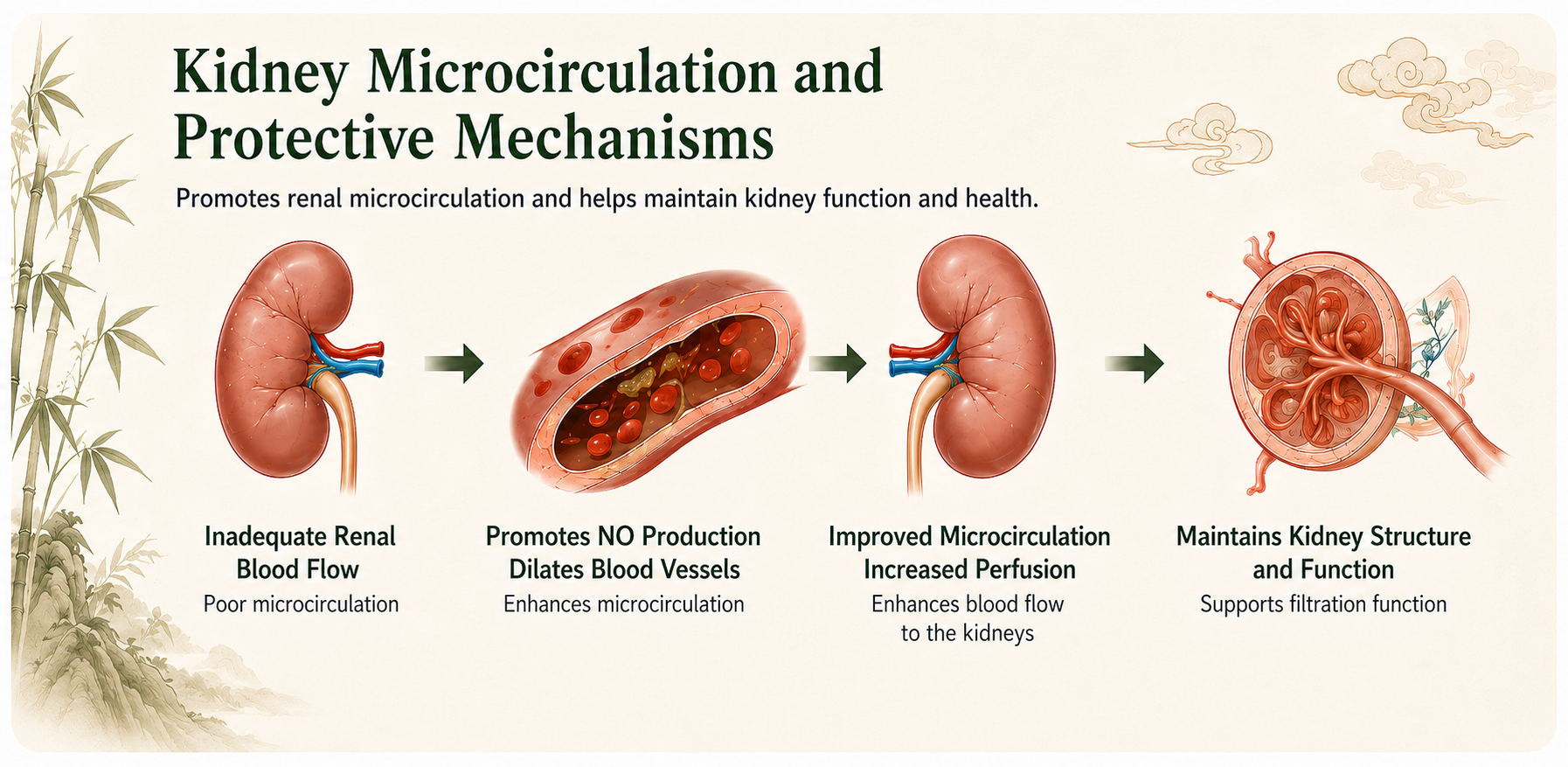
The kidney requires an adequate blood supply to maintain filtration function. Cordyceps militaris promotes the release of nitric oxide (NO) from endothelial cells, dilating renal microvasculature and improving microcirculation (Ravaeva et al., 2026). Research suggests that Cordyceps militaris acts not merely as a passive tonic but more like a "traffic coordinator" for renal microvessels. By activating endothelial nitric oxide synthase (eNOS)¹⁵, it prompts endothelial cells to release NO — a signaling molecule that precisely relaxes smooth muscle in constricted microvessels, significantly increasing tissue perfusion in the kidney (Ravaeva et al., 2026). When blood flow improves, nutrients reach damaged nephrons efficiently and metabolic waste is cleared more effectively — a molecular-level embodiment of the TCM principle of "invigorating blood circulation and unblocking channels" (Sun et al., 2019).
15 Endothelial Nitric Oxide Synthase (eNOS) is an enzyme found primarily in vascular endothelial cells, responsible for catalyzing the conversion of L-arginine into nitric oxide (NO). eNOS functions like a "natural lubricant factory" within blood vessels, producing a gas that relaxes and dilates tense vessels, improving blood flow and helping prevent arterial buildup. In short, the better eNOS activity is, the more elastic and resilient blood vessels remain — a key factor in cardiovascular and blood-pressure health.
Conclusion: Where Science and Tradition Shake Hands
"Kidney Qi" is no longer an untouchable, mystical concept. It is mitochondrial efficiency, HPG axis balance, and the autonomous secretion of testosterone.
Cordyceps militaris is not a mysterious miracle cure, but rather a precise, multi-target Biological Response Modifier¹⁶. By re-examining this ancient remedy through the lens of science, we see not just ink on yellowed pages, but a biotechnology roadmap for modern people seeking to combat fatigue and reclaim their vitality.
16 Biological Response Modifiers (BRMs) are a class of biological agents that regulate, enhance, or suppress immune system function to treat cancer, chronic infections, or autoimmune diseases. They alter the body's response to cells, viruses, or tumors, enabling immune cells to actively target diseased cells.
References
1. Ashraf, S. A., et al. (2020). "Cordycepin for Health and Wellbeing: A Potent Bioactive Metabolite of an Entomopathogenic Cordyceps Fungus and Its Nutraceutical and Therapeutic Potential." Molecules, 25(12), 2735. DOI: 10.3390/molecules25122735
2. He, Y., et al. (2022). "Evaluation of the Chemical Composition and Antioxidant Activities of Cordyceps militaris Cultivated on Different Substrates." Frontiers in Nutrition, 9, 834515. DOI: 10.3389/fnut.2022.834515
3. Jingsong, Z., et al. (2022). "Cordyceps militaris: A systematic review of its quality control, traditional uses, phytochemistry, and pharmacology." Frontiers in Pharmacology, 13, 1018511. DOI: 10.3389/fphar.2022.1018511
4. Lin, B. X., et al. (2021). "The Ameliorative Effect of Cordyceps militaris on Male Reproductive Dysfunction: A Review." Journal of Fungi, 7(12), 1032. DOI: 10.3390/jof7121032
5. Ravaeva, M., et al. (2026). "Microcirculation parameters in rats exposed to biotechnological preparations of Cordyceps militaris fungi." Reviews on Clinical Pharmacology and Drug Therapy (in press).
6. Sun, T., et al. (2019). "Cordyceps militaris Improves Chronic Kidney Disease by Affecting TLR4/NF-κB Redox Signaling Pathway." Oxidative Medicine and Cellular Longevity, 2019, 7850863. DOI: 10.1155/2019/7850863
7. Sun, et al. (2023). "Polysaccharides from Cordyceps militaris: Structures, biological activities, and health benefits." International Journal of Biological Macromolecules, 242, 124845. DOI: 10.1016/j.ijbiomac.2023.124845
8. Yan, K., et al. (2023). "Cordycepin attenuates renal fibrosis by inhibiting the TGF-β1/Smad signaling pathway in chronic kidney disease." Journal of Ethnopharmacology, 301, 115798. DOI: 10.1016/j.jep.2022.115798
9. Zhao, P., et al. (2021). "Cordyceps militaris extract ameliorates exercise-induced fatigue through activating AMPK and regulating antioxidant enzyme expression." Journal of Functional Foods, 83, 104555. DOI: 10.1016/j.jff.2021.104555